Categorías
Nuevos productos
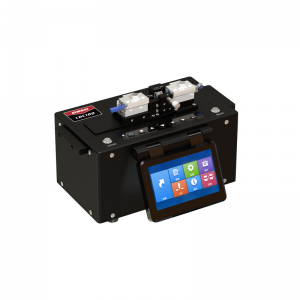
Mannaia per fibra ottica di grande diametro LDC-100 * Applicabile a fibre di diametro 80μm~600μm *Scanalatura a V della pompa del vuoto comoda per mettere la fibra *Lama durevole, durata più di 20000 volte *Archiviazione dati 4000 gruppi * Menu GUI intuitivo, facile da usare Más
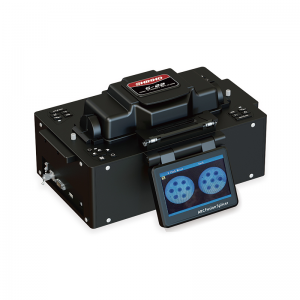
Empalmador de fusión de fibra multinúcleo S-22 La primera empalmadora por fusión de fibra multinúcleo completamente automática en China _ _ Más
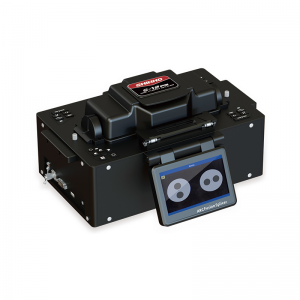
La polarización de Mantenimiento (PM) de Fibra de empalmadora de S-12 * Núcleo a la alineación, bajo el empalme de la pérdida de * Endview y Perfil de la observación y la alineación * Arco de calibración automática y empalme * PM fibra de 45 y 90 grados de alineación Más
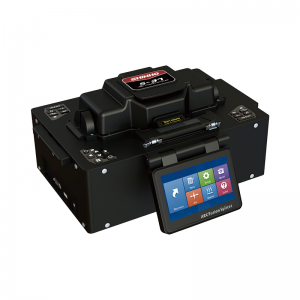
Empalmador de fusión de fibra especial S-37 LDF SHINHO S-37 es el último modelo que desarrollamos, podría empalmar un diámetro de revestimiento de fibra de 125 a 400 μm con baja pérdida de empalme. Equipamos la máquina con 3 soportes de fibra diferentes y 2 pares de electrodos de repuesto. Más
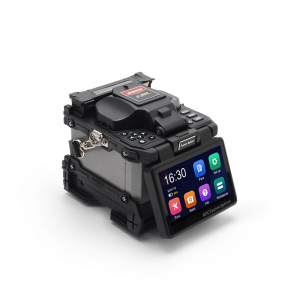
Empalmador de fusión de fibra de alineación de núcleo a núcleo x 900 Empalme de fusión de seis motores, tecnología de alineación de núcleo real a núcleo. 6s empalme, 16s calentamiento, identifique los tipos de fibra automáticamente. Usado para proyectos wan / man / telecommunication. Más
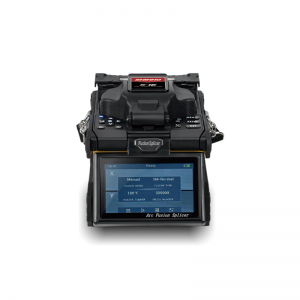
Empalmador de fusión de arco multifunción robusto s16 Diseño industrial robusto, antichoque, a prueba de polvo e impermeable. soporte multifunción para fibra desnuda, cables de conexión, cable de caída, etc. Rápido empalme y calentamiento, calibración automática de arco. Más
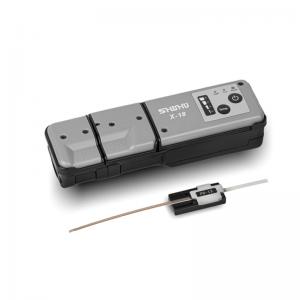
SHINHO X-18 Stripper termico in fibra di nastro Shinho X-18 Thermal Stripper è uno stripper termico manuale di nuova concezione, appositamente progettato per lo stripping termico non distruttivo della guaina di cavi a nastro fino a 12 fibre. Uno strumento buono e affidabile per il lavoro di giunzione della fibra del nastro. Más
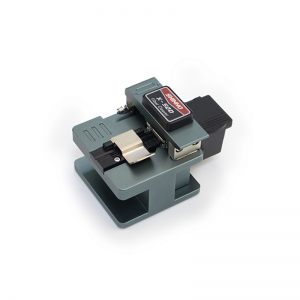
Mannaia per fibre ottiche ad alta precisione X-50D Di piccole dimensioni e leggero, facile da usare. Alta precisione e prestazioni stabili. Più di 48000 volte la durata della lama, lunghezza tagliata in fibra 5 ~ 20 mm. Materiale di alta qualità Más
Cómo la empalmadora de fusión de fibra óptica conecta Internet
En una era en la que damos por sentado el internet gigabit —transmitir vídeos en 4K sin interrupciones, participar en videollamadas de Zoom sin problemas o realizar copias de seguridad de terabytes de datos en la nube en cuestión de minutos— es fácil olvidar la infraestructura física que lo hace posible.
Bajo nuestras calles, atravesando océanos y ascendiendo por edificios de apartamentos, millones de kilómetros de hilos de vidrio transportan datos a la velocidad de la luz. Pero estas frágiles fibras de vidrio no se conectan por sí solas. Se sueldan entre sí mediante una de las herramientas más precisas, aunque infravaloradas, del mundo de las telecomunicaciones: La empalmadora de fusión de fibra óptica.
Imagínelo como la máquina de coser más meticulosa del mundo, que une los hilos de internet.
Una empalmadora por fusión es un dispositivo de alta tecnología que realiza microcirugía en vidrio. Su función es unir dos fibras ópticas separadas extremo con extremo de forma tan perfecta que la luz pasa a través de la unión como si la fibra nunca se hubiera cortado.
¿Cómo funciona?
La máquina genera un arco de alto voltaje entre dos electrodos, creando una chispa que alcanza temperaturas de aproximadamente
1800 °C (3600 °F)
Este calor intenso derrite las puntas de las fibras de vidrio, y la máquina luego une físicamente los extremos, fusionándolos en una sola hebra continua.
Pero aquí está el truco: el núcleo de una fibra monomodo, la vía real para la luz, es solo de aproximadamente 9 micras de diámetro Para ponerlo en contexto, un cabello humano tiene aproximadamente 75 micras de grosor. Si el empalmador desalinea estos núcleos por tan solo 1 micra , la señal se degrada.
Por eso, una máquina de fusión no es solo una "linterna"; es una maravilla de la optoelectrónica, equipada con microscopios de alta potencia, motores paso a paso y complejos algoritmos de procesamiento de imágenes.
No todas las empalmadoras son iguales. El mercado generalmente se divide en dos categorías según cómo la máquina alinea las fibras: Alineación del revestimiento (PAS) y Alineación central .
l Alineación del revestimiento (PAS): Este es el método más antiguo y rápido. La máquina analiza el borde exterior del vidrio (el revestimiento) y alinea las fibras en función de este. Es como alinear a dos personas por los dobladillos de sus abrigos; suele ser suficiente, pero las personas que están dentro podrían no estar perfectamente rectas. Este método se usa comúnmente en implementaciones de FTTH (Fibra hasta el Hogar), donde el costo es un factor importante y las distancias requeridas son cortas.
l Alineación central: Este es el estándar de oro para redes troncales de alta velocidad. Utilizando sensores de imagen avanzados (como cámaras CCD) y un sistema multimotor, la empalmadora literalmente "mira" el núcleo de la fibra. Analiza la geometría del vidrio y alinea los núcleos directamente. Esto reduce la pérdida promedio de empalme a 0,02 dB o menos Cuando se envían datos a través del océano, esa precisión es fundamental.
Si está buscando una empalmadora, ya sea usted un contratista, un administrador de un centro de datos o una empresa de servicios públicos, la elección generalmente se reduce a cuatro factores clave: Pérdida, velocidad, durabilidad y coste.
1. Pérdida de empalme: Esto es innegociable. Busque máquinas que ofrezcan consistentemente una baja pérdida de empalme estimada. Incluso una diferencia de 0,1 dB en cientos de empalmes se traduce en una pérdida de señal significativa.
2. Velocidad: El tiempo es dinero en una obra. Las empalmadoras modernas pueden completar un ciclo de fusión completo (alinear, fundir y estimar la pérdida) en menos de 10 segundos , con ciclos de calentamiento para mangas protectoras que duran alrededor de 15-20 segundos .
3. Resistencia ambiental: El empalme de fibra óptica suele realizarse en pozos de registro, postes telefónicos o en obras de construcción polvorientas. Necesitas una máquina con una alta Clasificación de protección IP (Ingress Protection) La clasificación IP52 o superior es estándar, lo que significa que la máquina es resistente al polvo y a las salpicaduras de agua.
4. Vida útil y mantenimiento de los electrodos: Los electrodos son el componente consumible principal de la máquina. Una buena empalmadora debería ofrecer entre 3000 y 5000 descargas de arco por juego de electrodos. Un mantenimiento regular, como la limpieza de las ranuras en V (donde se asienta la fibra) con un hisopo de algodón, permitirá que la máquina funcione durante 5 a 10 años.
Incluso con una empalmadora de fusión de alta gama de 10 000 dólares, todavía es posible un mal empalme. La eficacia de la máquina depende de la preparación del operario. El proceso es un ritual:
1. Banda: Retire la capa protectora de plástico de la fibra utilizando una herramienta peladora.
2. Limpio: Limpie el vidrio desnudo con alcohol isopropílico al 99 % y toallitas sin pelusa. Cualquier partícula de polvo microscópica se quemará en el arco eléctrico, provocando burbujas o contaminación.
3. Adherirse: Corta la fibra en un ángulo perfecto de 90 grados con una cuchilla. Esto crea una superficie lisa como un espejo. Un corte incorrecto es la principal causa de una alta pérdida de empalme.
4. Empalme: Coloca las fibras en la máquina y pulsa "Configurar". La máquina se encarga del resto.
5. Proteger: Deslice una funda termorretráctil sobre el vidrio desnudo y colóquelo en el horno. Esto restaura la resistencia mecánica de la fibra.
6. Prueba: Utilice un OTDR (reflectómetro óptico en el dominio del tiempo) para verificar que el empalme sea perfecto.

Bienvenido a registrar el boletín de noticias si tiene algún interés en nuestros productos, lo mantendremos informado de nuestras novedades, información de productos y promociones, si las hubiera.
© Derechos de autor: SHINHO OPTICS LIMITED Todos los derechos reservados.


 español
 English
 français
 русский
 italiano
 português
 العربية
 ไทย
ไทย हिन्दी
 Indonesia
 中文
中文