Categorías
Nuevos productos
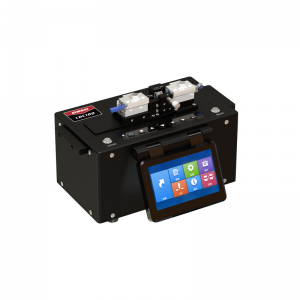
Mannaia per fibra ottica di grande diametro LDC-100 * Applicabile a fibre di diametro 80μm~600μm *Scanalatura a V della pompa del vuoto comoda per mettere la fibra *Lama durevole, durata più di 20000 volte *Archiviazione dati 4000 gruppi * Menu GUI intuitivo, facile da usare Más
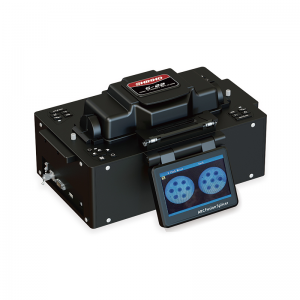
Empalmador de fusión de fibra multinúcleo S-22 La primera empalmadora por fusión de fibra multinúcleo completamente automática en China _ _ Más
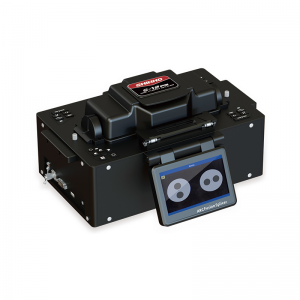
La polarización de Mantenimiento (PM) de Fibra de empalmadora de S-12 * Núcleo a la alineación, bajo el empalme de la pérdida de * Endview y Perfil de la observación y la alineación * Arco de calibración automática y empalme * PM fibra de 45 y 90 grados de alineación Más
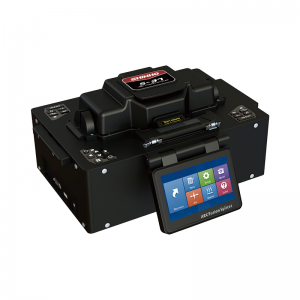
Empalmador de fusión de fibra especial S-37 LDF SHINHO S-37 es el último modelo que desarrollamos, podría empalmar un diámetro de revestimiento de fibra de 125 a 400 μm con baja pérdida de empalme. Equipamos la máquina con 3 soportes de fibra diferentes y 2 pares de electrodos de repuesto. Más
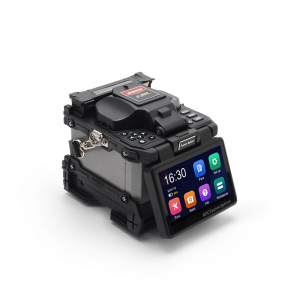
Empalmador de fusión de fibra de alineación de núcleo a núcleo x 900 Empalme de fusión de seis motores, tecnología de alineación de núcleo real a núcleo. 6s empalme, 16s calentamiento, identifique los tipos de fibra automáticamente. Usado para proyectos wan / man / telecommunication. Más
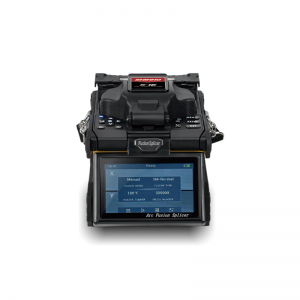
Empalmador de fusión de arco multifunción robusto s16 Diseño industrial robusto, antichoque, a prueba de polvo e impermeable. soporte multifunción para fibra desnuda, cables de conexión, cable de caída, etc. Rápido empalme y calentamiento, calibración automática de arco. Más
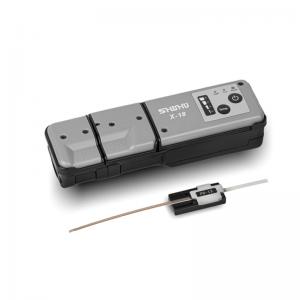
SHINHO X-18 Stripper termico in fibra di nastro Shinho X-18 Thermal Stripper è uno stripper termico manuale di nuova concezione, appositamente progettato per lo stripping termico non distruttivo della guaina di cavi a nastro fino a 12 fibre. Uno strumento buono e affidabile per il lavoro di giunzione della fibra del nastro. Más
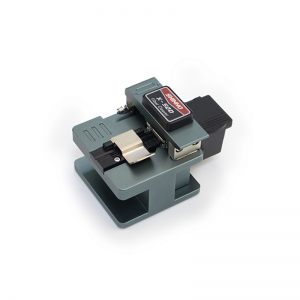
Mannaia per fibre ottiche ad alta precisione X-50D Di piccole dimensioni e leggero, facile da usare. Alta precisione e prestazioni stabili. Più di 48000 volte la durata della lama, lunghezza tagliata in fibra 5 ~ 20 mm. Materiale di alta qualità Más
Fibra de núcleo hueco en sistemas láser: una nueva opción más allá de las fibras convencionales.
A medida que los sistemas láser siguen avanzando hacia una mayor potencia, anchos de línea más estrechos y duraciones de pulso más cortas, las fibras ópticas tradicionales de núcleo sólido se acercan gradualmente a sus límites físicos. Los efectos no lineales como SBS, SRS y la automodulación de fase limitan cada vez más las mejoras de rendimiento. En este contexto, Fibra de núcleo hueco (HCF) Se ha consolidado como una opción prometedora y estratégica para las arquitecturas láser de próxima generación.
A diferencia de las fibras convencionales, donde la luz se propaga a través de la sílice, la HCF guía la luz predominantemente en el aire. Esta diferencia fundamental conduce a una no linealidad óptica drásticamente menor y una mayor capacidad de manejo de potencia máxima. , lo que hace que la fibra HCF sea especialmente atractiva para láseres de pulsos ultracortos (ps/fs), sistemas de ancho de línea estrecho, combinación coherente de haces y aplicaciones científicas o de defensa avanzadas.
Sin embargo, adoptar HCF no es simplemente cuestión de reemplazar una fibra por otra. Desde una perspectiva de fabricación e integración, empalme de fibra El corte y la calidad de la cara final se convierten en factores críticos a nivel del sistema. en lugar de procesos rutinarios.
En los sistemas láser de pulsos ultracortos, la potencia pico puede ser varios órdenes de magnitud superior a la potencia media. Cualquier imperfección —microfisuras, contaminación, desajuste de modos o colapso estructural en el punto de empalme— puede provocar un fallo inmediato. Del mismo modo, una mala calidad de corte o defectos submicrométricos en la superficie del extremo de la fibra pueden provocar una intensificación localizada del campo, una ruptura dieléctrica o daños catastróficos durante el funcionamiento.
Aquí es donde equipos especializados para el procesamiento de fibras desempeña un papel decisivo.
Las empalmadoras de fusión avanzadas diseñadas para fibras especiales, junto con las cortadoras de alta precisión optimizadas para campos modales amplios y fibras microestructuradas, son esenciales para garantizar:
Transición estable del campo modal
Distorsión estructural mínima
Alta repetibilidad y fiabilidad a largo plazo
A medida que HCF pasa de las demostraciones de laboratorio a los productos láser reales, El cuello de botella ya no es solo el diseño de la fibra, sino también qué tan bien se puede procesar, integrar y mantener la fibra. .
De cara al futuro, es poco probable que la fibra de núcleo hueco reemplace a las fibras convencionales en los sistemas láser CW industriales convencionales a corto plazo. En cambio, su futuro reside en aplicaciones láser de alto rendimiento y gama alta donde superar los límites físicos justifica una mayor complejidad y un mayor coste. En estos sistemas, el empalme y el corte fiables no son opcionales, sino que constituyen la base de la estabilidad del sistema.
Para los fabricantes y proveedores de servicios de láser, invertir hoy en soluciones adecuadas para el procesamiento de fibras significa estar preparados para las tecnologías láser del futuro.

Bienvenido a registrar el boletín de noticias si tiene algún interés en nuestros productos, lo mantendremos informado de nuestras novedades, información de productos y promociones, si las hubiera.
© Derechos de autor: SHINHO OPTICS LIMITED Todos los derechos reservados.


 español
 English
 français
 русский
 italiano
 português
 العربية
 ไทย
ไทย हिन्दी
 Indonesia
 中文
中文