Categorías
Nuevos productos
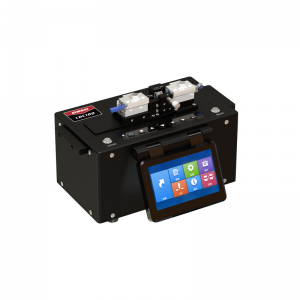
Mannaia per fibra ottica di grande diametro LDC-100 * Applicabile a fibre di diametro 80μm~600μm *Scanalatura a V della pompa del vuoto comoda per mettere la fibra *Lama durevole, durata più di 20000 volte *Archiviazione dati 4000 gruppi * Menu GUI intuitivo, facile da usare Más
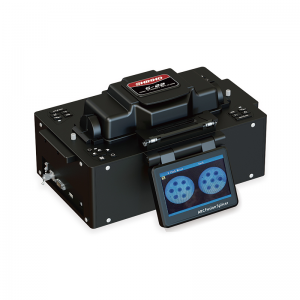
Empalmador de fusión de fibra multinúcleo S-22 La primera empalmadora por fusión de fibra multinúcleo completamente automática en China _ _ Más
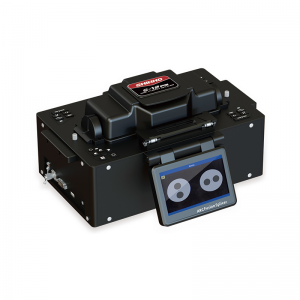
La polarización de Mantenimiento (PM) de Fibra de empalmadora de S-12 * Núcleo a la alineación, bajo el empalme de la pérdida de * Endview y Perfil de la observación y la alineación * Arco de calibración automática y empalme * PM fibra de 45 y 90 grados de alineación Más
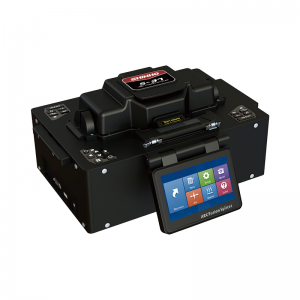
Empalmador de fusión de fibra especial S-37 LDF SHINHO S-37 es el último modelo que desarrollamos, podría empalmar un diámetro de revestimiento de fibra de 125 a 400 μm con baja pérdida de empalme. Equipamos la máquina con 3 soportes de fibra diferentes y 2 pares de electrodos de repuesto. Más
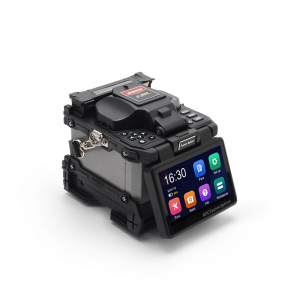
Empalmador de fusión de fibra de alineación de núcleo a núcleo x 900 Empalme de fusión de seis motores, tecnología de alineación de núcleo real a núcleo. 6s empalme, 16s calentamiento, identifique los tipos de fibra automáticamente. Usado para proyectos wan / man / telecommunication. Más
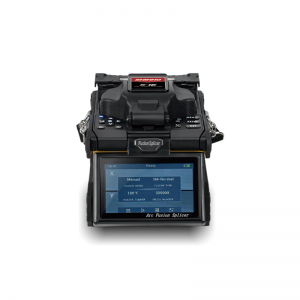
Empalmador de fusión de arco multifunción robusto s16 Diseño industrial robusto, antichoque, a prueba de polvo e impermeable. soporte multifunción para fibra desnuda, cables de conexión, cable de caída, etc. Rápido empalme y calentamiento, calibración automática de arco. Más
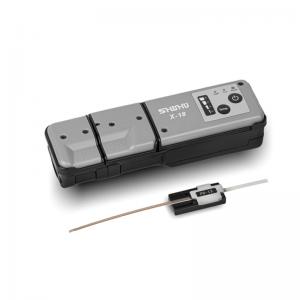
SHINHO X-18 Stripper termico in fibra di nastro Shinho X-18 Thermal Stripper è uno stripper termico manuale di nuova concezione, appositamente progettato per lo stripping termico non distruttivo della guaina di cavi a nastro fino a 12 fibre. Uno strumento buono e affidabile per il lavoro di giunzione della fibra del nastro. Más
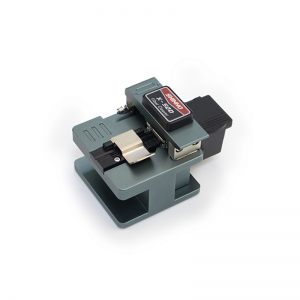
Mannaia per fibre ottiche ad alta precisione X-50D Di piccole dimensioni e leggero, facile da usare. Alta precisione e prestazioni stabili. Più di 48000 volte la durata della lama, lunghezza tagliata in fibra 5 ~ 20 mm. Materiale di alta qualità Más
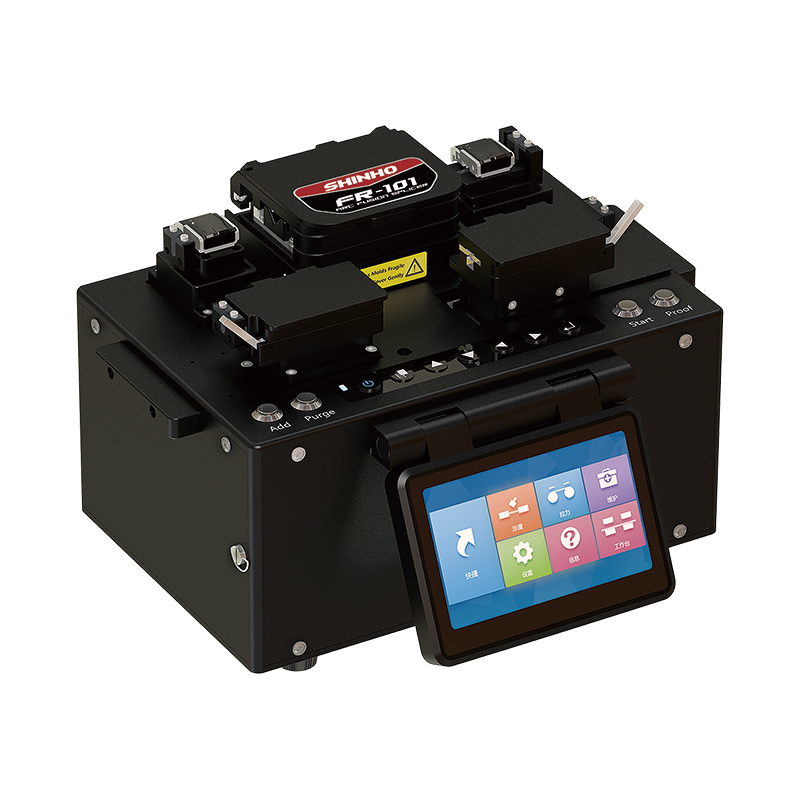
Fiber Optic Recoating Machine: A Key Process Equipment for High-Reliability Fiber Systems
A fiber optic recoating machine is a specialized device used to restore the protective coating of optical fibers. It is mainly applied after fiber stripping, splicing, or repair processes. By using UV-curable materials, it re-applies a protective layer to bare fiber, restoring its mechanical strength and environmental resistance close to the original level.
In modern fiber optic communication, fiber laser systems, and fiber sensing applications, stripped fiber becomes extremely fragile. Without proper protection, it is highly susceptible to breakage, micro-bending loss, and long-term reliability issues. Therefore, the recoating process has become an essential step in high-reliability fiber systems.
During fiber splicing or repair, the original coating must be removed to allow precise alignment and fusion splicing. However, once the coating is removed, the bare fiber has several critical weaknesses:
· Significantly reduced mechanical strength
· Extremely sensitive to bending and tension
· Poor long-term reliability
· Vulnerable to moisture and contamination
A fiber recoating machine solves this problem by using a mold-forming process combined with UV curing to recreate the protective coating, restoring a stable and durable fiber structure.
In high-power fiber laser systems (especially kilowatt-level and above), optical fibers operate under extremely high energy density for long periods. Without proper recoating protection, splice points or repaired sections may suffer from:
· Thermal damage
· Fiber breakage
· Reduced long-term stability
Therefore, recoating machines are widely used in fiber laser manufacturing and repair, serving as a critical process to ensure system reliability.
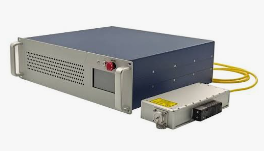
In distributed acoustic sensing (DAS), fiber optic gyroscopes (FOG), and fiber Bragg grating (FBG) systems, the optical fiber itself acts as the sensing medium.
Since signal accuracy depends heavily on fiber integrity, even minor mechanical damage or stress changes can affect measurement performance. Recoating ensures long-term stability and consistency of sensing systems.
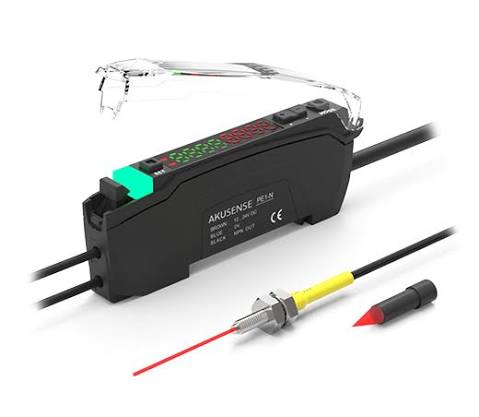
In military, aerospace, and anti-interference communication systems, optical fibers often operate in harsh environments such as vibration, temperature extremes, and strong electromagnetic interference.
These applications demand extremely high reliability, and fiber recoating significantly improves mechanical robustness and environmental resistance, making it an essential process for mission-critical communication links.

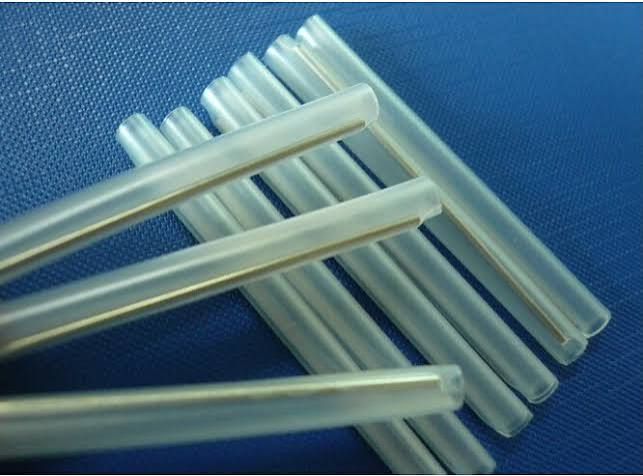
In practical engineering, heat shrink tubes are sometimes used as a low-cost alternative. However, the two methods are fundamentally different:
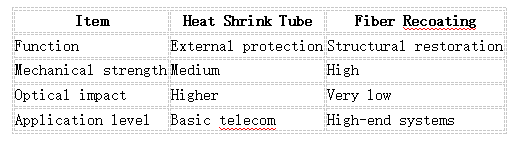
In simple terms: heat shrink provides protection, while recoating restores the fiber structure.
With the continuous development of fiber optic technology toward higher power, higher precision, and more specialized applications, the importance of recoating technology is increasing. Key trends include:
Higher laser power requires stronger and more reliable fiber structures, making recoating quality critical to system lifetime and safety.
Technologies such as DAS are being widely adopted in energy, transportation, and security sectors, requiring long-term stable operation.
Emerging fibers such as polarization-maintaining (PM) fiber and hollow-core fiber require more precise repair and protection processes.
Although a fiber optic recoating machine does not directly participate in signal transmission or laser output, it plays a critical role in restoring and protecting optical fibers within high-performance systems.
Its value can be summarized as follows:
In high-end fiber systems, long-term reliability is not determined only by the fiber itself, but by how well it is restored and protected after splicing.
As fiber laser, fiber sensing, and specialty fiber technologies continue to evolve, fiber recoating machines will play an increasingly important role in ensuring system stability and reliability across advanced applications.

Bienvenido a registrar el boletín de noticias si tiene algún interés en nuestros productos, lo mantendremos informado de nuestras novedades, información de productos y promociones, si las hubiera.
© Derechos de autor: SHINHO OPTICS LIMITED Todos los derechos reservados.


 español
 English
 français
 русский
 italiano
 português
 العربية
 ไทย
ไทย हिन्दी
 Indonesia
 中文
中文